Can we add more rooms later if our block fills?

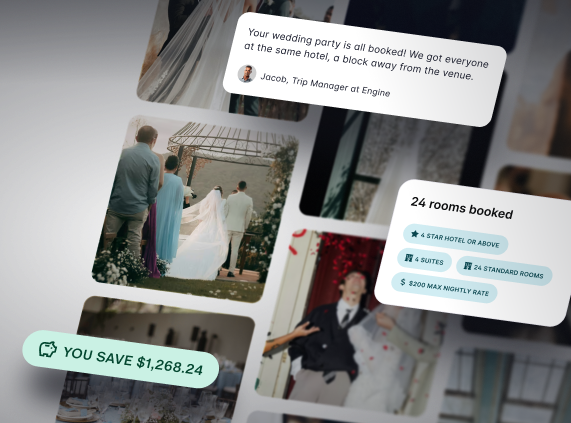
Yes, in many cases, you can add more rooms to your wedding room block later if your block fills up. The key is simple: the hotel must still have rooms available. That is why many couples start with a realistic number, watch booking activity, and then request more rooms if needed. This staged approach can reduce stress and help you avoid overcommitting too early. Room Blocks by Engine also supports couples through modifications, which can make the process much easier to manage.
If you are feeling nervous about getting the number “wrong,” you are not alone. Hotel room blocks are one of those wedding planning tasks that sounds straightforward until you start thinking about guest travel plans, RSVP timing, rate changes, and contract terms. The good news is that adding rooms later is often possible, especially when you plan early, choose the right hotel partners, and keep a close eye on demand.
Why couples often add rooms after the block is live
Wedding guest lists shift constantly. Some guests say yes later than expected. Others decide to stay on-site once they realize how convenient it will be. Out of town family members may also extend their stay for rehearsal dinners, brunches, or a full wedding weekend.
That is why many couples do not start with their maximum estimate. Instead, they begin with a practical room count and expand only if bookings show strong demand.
This approach can help you:
- Avoid blocking more rooms than you need
- Reduce the chance of unused rooms in a contracted block
- Stay flexible as guest plans change
- Keep the process more manageable during a busy planning season
Room Blocks by Engine is designed to help couples through exactly these kinds of overwhelming planning moments with simple, helpful guidance that reduces stress early in the wedding journey.
How adding rooms usually works
The process itself is usually straightforward. Once your current block is filling up, you or your hotel room block partner can ask the hotel whether more inventory is available at your group rate.
Courtesy blocks
With a courtesy block, adding rooms is often easier because there is no financial commitment tied to unsold rooms. If the hotel still has availability, they may add more rooms or open a second allotment.
Contracted blocks
With a contracted block, adding rooms is also possible, but the hotel may review the request more carefully because of pricing, inventory, and attrition terms. In many cases, hotels are more comfortable adding rooms than reducing them later.
The best time to request more rooms
The best time to ask for more rooms is before your block fully sells out.
Once a hotel sees strong pickup, there is a better chance they can add rooms while nearby inventory still exists. Waiting too long can create problems, especially if your wedding falls during peak travel dates, a holiday weekend, or a local event when hotels like Marriott, Hilton, Hyatt, Hampton Inn, Embassy Suites, or Holiday Inn are already filling quickly.
Signs it is time to add more rooms
Watch for these signals:
- More than half your block is booked well before the cutoff date
- Guests are asking whether rooms are still available
- Your RSVP list shows more out of town guests than expected
- The hotel is selling rooms publicly at a faster pace
- You want extra flexibility for late bookers
The earlier you spot these signs, the easier it usually is to secure more rooms at the same hotel.
What can affect whether more rooms are available?
Even when hotels want to help, availability is never guaranteed. A few factors matter most.
Hotel inventory
The biggest factor is simply whether the hotel still has unsold rooms in the room types your guests need.
Your wedding date
Popular weekends fill faster. Spring and fall weddings, destination weddings, and dates tied to festivals, home football games, or citywide conventions can make extra rooms harder to get.
Your cutoff date
Hotels are more likely to work with you before the cutoff date passes. After that, unused rooms often go back into general inventory, and group rate protection may become less predictable.
Your contract terms
Some agreements are flexible. Others are strict about rate changes, room types, or the timeline for modifications. This is one reason it helps to understand the terms before you commit.
How to plan your block so adding rooms later is easier
Start with a realistic number, not a guess driven by panic
One of the biggest mistakes couples make is overblocking because they are afraid there will not be enough rooms. In reality, a smaller, strategic starting point can be safer, especially if you have a way to expand later. Room Blocks by Engine specifically notes that many couples begin with a smaller number and then increase it as guests start booking.
Build your estimate around likely room users
Think about:
- Out of town guests
- Wedding party members
- Immediate family
- Older relatives who may prefer staying close to the venue
- Guests who will not want to drive after the reception
Not every invited guest needs a hotel room, and not every hotel guest books inside the block, so a thoughtful estimate is better than a broad one.
Ask about expansion before you sign
Before confirming your block, ask:
- Can we add more rooms later if pickup is strong?
- Until when can we request additional rooms?
- Will added rooms stay at the same group rate?
- Are all room types eligible?
- Are there any extra fees tied to modifications?
This can help you avoid hidden surprises later.
Consider more than one hotel
If you expect a wide range of budgets, it can help to offer guests options. For example, one full service hotel near the venue and one more affordable select service property nearby. That way, if one block fills, you already have a backup option for additional guests.
Why this feels so complicated for couples
Because it is about much more than making reservations. It is also about predicting guest behavior, understanding hotel policies, comparing rates, checking for parking or resort fees, tracking deadlines, and making sure no one gets left without a place to stay. That is a lot to carry when you are already balancing vendors, budgets, and RSVPs.
Room Blocks by Engine makes this easier by helping couples compare hotel proposals in one place, understand terms clearly, and manage changes without all the usual back and forth. The platform is built to guide couples through one of the most confusing parts of wedding planning with less stress and more confidence.
Make room for flexibility from the start
The most reassuring answer here is this: yes, you can often add more rooms later, but success depends on timing, availability, and the terms of your block. The smartest move is to plan early, start with a realistic count, monitor bookings closely, and work with a service that helps you stay organized.
When your hotel room block is set up the right way, it becomes much easier to respond calmly if more guests need rooms.
Ready to find your perfect room block without the stress? Start comparing hotels with Room Blocks by Engine today. Start comparing here by first choosing the city where you will host your wedding, then review your best-fit hotel options with confidence.



.svg)
BOOKING GROUP TRAVEL WILL NEVER BE THE SAME.