What happens if we want to switch hotels after signing the contract?

If you want to switch hotels after signing a contract, the honest answer is: it can be possible, but it is rarely simple. Once you sign a hotel room block agreement, you are usually committing to that property’s terms, which may include cancellation rules, minimum room requirements, deposit obligations, and deadlines. In many cases, switching hotels means first negotiating a release from your original contract and then starting a new booking process elsewhere.
Does that sound stressful? Well yes, especially when you are already managing a venue, guest list, RSVP questions, and everything else that comes with wedding planning. The good news is that couples do have options. The key is understanding your contract early, acting quickly, and getting support before small concerns turn into expensive problems.
With the right approach, you can avoid surprises, protect your budget, and choose a room block that truly works for your wedding weekend.
Why switching hotels after signing can be difficult
A signed room block contract is not just a placeholder. It is a formal agreement between you and the hotel. Depending on whether you booked a contracted block or a courtesy block, your level of commitment can be very different.
For example, if you signed a contracted block at a Marriott, Hilton, Hyatt, or another major hotel brand, you may have agreed to:
- A minimum number of rooms your guests must book
- An attrition requirement, meaning you are responsible for filling a certain percentage of the block
- A cancellation policy with penalties
- A deposit schedule
- A cut off date for guest reservations
That is why changing hotels is usually not as easy as deciding you found a better rate across town. If the original hotel already held inventory for your group, they may expect compensation if you cancel or reduce the block too late. Room Blocks by Engine explains these contract differences clearly and helps couples understand terms before they commit.
The first thing to do before making any move
Before contacting another hotel, review your signed agreement carefully.
Look for these key sections:
Cancellation policy
This tells you whether you can cancel without penalty and by what date.
Attrition clause
This explains how many rooms you are still responsible for, even if guests do not book them.
Reduction deadlines
Some hotels allow you to lower your room count before a certain date. After that, changes may be restricted.
Deposit terms
If you already paid a deposit, find out whether it is refundable, partially refundable, or nonrefundable.
Cut off date
If your wedding is still far enough away, the hotel may be more flexible before this deadline.
If the language feels confusing, that is normal. Hotel contracts often sound straightforward until you are trying to make a change under pressure.
When switching hotels may make sense
Not every concern means you should start over. But in some situations, exploring a switch is absolutely reasonable.
Common reasons couples reconsider their hotel block
- The rate is higher than expected for guests
- The hotel is farther from the venue than originally planned
- Guest room types are too limited
- Parking fees, resort fees, or other charges feel excessive
- Communication from the hotel has been poor
- Another property offers better wedding weekend perks, such as breakfast, shuttle service, or suite upgrades
If any of these issues come up, do not ignore them. The earlier you address them, the more likely you are to have flexibility.
Can the hotel let you out of the contract?
Sometimes, yes.
Hotels may agree to release you from the contract, especially if:
- Your wedding date is still several months away
- The hotel expects it can resell the rooms
- Very few guests have booked so far
- You are requesting a partial adjustment instead of a full cancellation
- You communicate early and professionally
That said, there is no universal rule. Some hotels are flexible, while others strictly enforce their agreements. This is why couples should avoid signing too quickly just because a rate looks good in the moment.
A smarter alternative to a full switch
Before cancelling outright, ask whether the hotel can modify the block instead.
In many cases, a change within the existing contract is easier than walking away completely. You may be able to:
- Reduce the number of rooms
- Add a second nearby hotel for overflow guests
- Extend or adjust the cut off date
- Rework perks or concessions
- Confirm whether extra nights can be included
- Clarify hidden costs before guests start booking
For weddings, this can be especially helpful because guests often have different budgets and preferences. Some may want a full service hotel near the venue, while others may prefer a more affordable option like Hampton Inn, Holiday Inn Express, or Fairfield Inn nearby.
How to avoid fees and frustration
If you are considering a switch, timing matters almost as much as the contract itself.
Best practices for protecting yourself
- Act early
The closer you get to the wedding, the harder changes become. - Do not sign a second contract too soon
Resolve your first agreement before locking in a new one. - Ask for everything in writing
Verbal reassurance is not enough when contracts are involved. - Estimate room needs realistically
Overblocking rooms is one of the most common mistakes couples make. - Compare total value, not just nightly rate
Lower rates can come with parking fees, resort charges, or fewer guest conveniences.
How Room Blocks by Engine makes this easier
This is exactly where Room Blocks by Engine can take pressure off your plate.
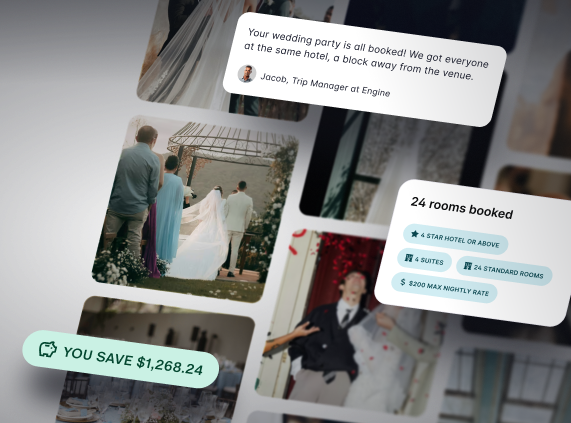
Instead of emailing multiple hotels, waiting on scattered replies, and trying to decode contract language on your own, you can compare proposals in one place and get support through the process. Room Blocks by Engine helps couples review rates, perks, requirements, and savings side by side, which makes it easier to spot red flags before signing. It also helps reduce the back and forth that makes room blocks feel so overwhelming in the first place.
That matters because wedding planning is already full of moving parts. Your room block should help guests, not create another source of anxiety.
How to choose more confidently the first time
If you have not signed yet, or if you are rethinking your current option, focus on these questions before committing:
Is the hotel convenient for guests?
Think about distance to the venue, airport access, parking, and nearby food or activities.
Are the rates truly guest friendly?
Ask about taxes, parking, breakfast, resort fees, and any charges that may surprise your guests later.
Is the block size realistic?
It is usually better to start conservatively and add rooms later if inventory allows.
Are the contract terms flexible enough?
A slightly higher rate may be worth it if the terms are easier to manage.
Are you comparing enough options?
Reviewing a few strong choices often gives couples more confidence and better negotiating power.
Book with clarity, not panic
Switching hotels after signing a contract is possible in some cases, but it can come with extra work, tighter deadlines, and potential fees. That is why the best strategy is to understand the terms before you sign, keep your room count realistic, and compare hotels carefully from the start.
A well chosen room block should make your wedding weekend smoother for you and your guests. It should not leave you second guessing every detail.
Ready to find your perfect room block without the stress? Start comparing hotels with Room Blocks by Engine today. Start by choosing the city where you will host your wedding, compare your best options in one place, and move forward with more confidence.




.svg)
BOOKING GROUP TRAVEL WILL NEVER BE THE SAME.